Lemonly signs off every explainer video in Boords, from sketch to full design, before animation starts
Lemonly is a visual storytelling agency in Sioux Falls, South Dakota, making infographics, animated explainer videos, and mixed-media video for brands in nearly every industry. Every video runs through sketch and design storyboards in Boords, presented live to the client and signed off before a frame is animated.

- Industry:
- Visual storytelling, infographics & explainer video
- Team:
- Around 20 people, remote-friendly
- Location:
- Sioux Falls, South Dakota, USA
With Boords, Lemonly:
- Presents the first draft of every sketch and design storyboard live on a call, then shares the Boords link for async review
- Runs up to two client review rounds per storyboard stage, with internal QA on the same link in Slack before each one
- Keeps up to four client-facing storyboard versions per video organised with versions and a folder for every client
- Presents the moodboard alongside the storyboard, so the client reviews the whole direction on one link
Clarity is the product
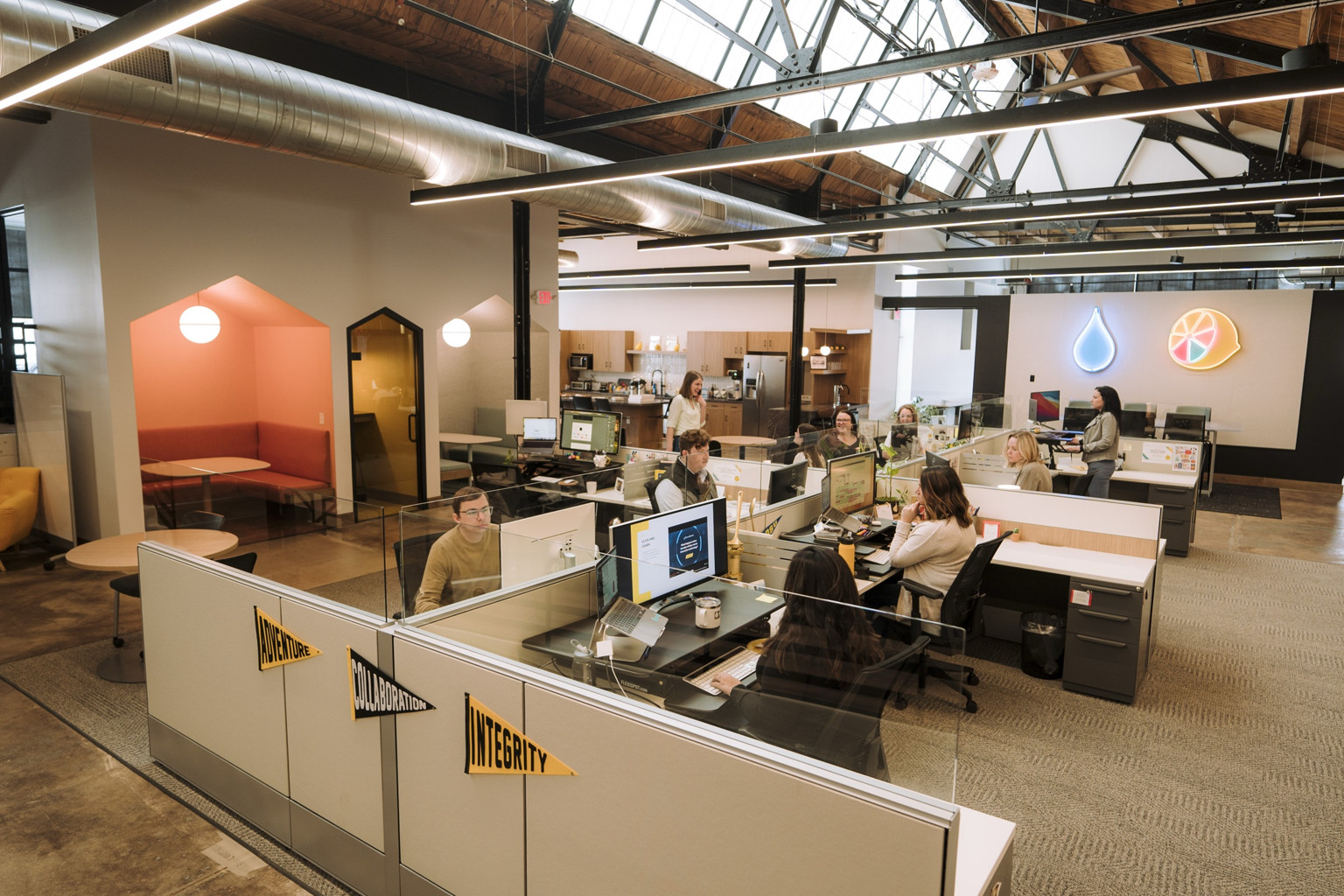
Lemonly is a creative agency in downtown Sioux Falls, South Dakota, specialised in visual storytelling. The studio makes infographics, animated explainer videos, microsites, and branding for brands in nearly every industry, including Marriott, Dynatrace, and the Green Bay Packers. Founded in 2011, it has been part of the Click Rain Inc. house of brands since 2021.
“We really shine when there's something confusing, complicated, or just plain dry that our clients need to communicate. That's where visuals are valuable for conveying meaning, creating understanding, and making stuff interesting to look at.”
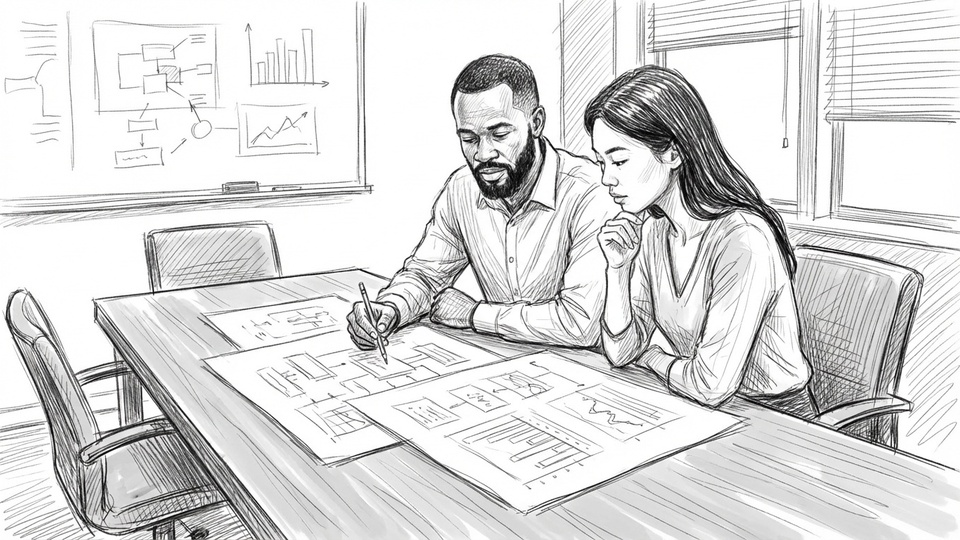
In video, the specialty is the animated explainer, alongside short-form motion graphics, live-action, and mixed-media work that blends illustration, animation, and live footage. For animated work, storyboards typically begin as rough, low-fidelity frames. Depending on the project, those might be quickly sketched or built out in a simple wireframe style. The goal is the same: Establish composition, pacing, and visual direction without getting distracted by polished design too early. For live-action projects, Lemonly also uses AI-generated imagery during storyboarding to help visualize shots, framing, environments, and creative direction before production begins.
“The value of storyboarding is alignment. We can work through composition, pacing, and creative direction while everything is still easy to change.”
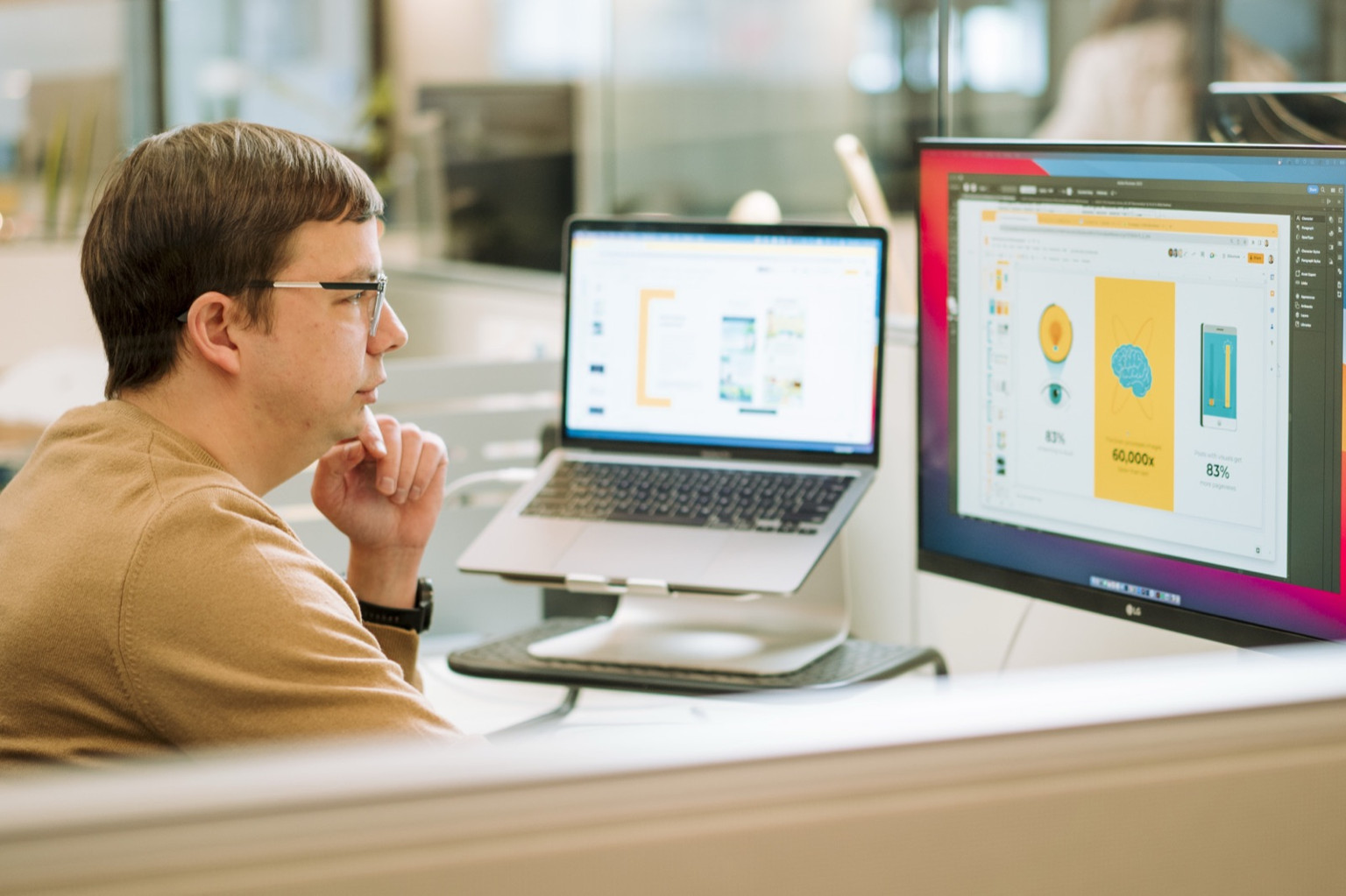
Up to four client-facing versions, per video
Video has grown dramatically as a Lemonly service over the past ten years, and the studio's process puts most of the decisions at the storyboard stage. Storyboards are split into two phases, sketch and full design, and each phase typically goes through up to two rounds of client review, with an internal proof and QA pass before every client round.
“A typical video project might have up to four client-facing storyboard versions between those stages, so having a simple, polished way to present storyboards and gather feedback is a big win for our video process.”
Multiply that by the number of videos in flight, and the review layer becomes the thing that makes or breaks the schedule. The alternative Amy Moore still sees at other agencies is the manual one: a storyboard assembled by hand and passed around as a PDF with comments.

“When I hear someone is still using a manual PDF review for storyboards, I bring up Boords as a no-brainer.”
Sketch, then design, both in Boords
Lemonly's "lemons-to-lemonade" process starts with Ingredients, the studio's version of a creative brief, then a kickoff, then the script. With the script set, the copywriter, designer, animator, and creative director brainstorm the visual direction, the metaphors, motifs, storylines, and key beats. Then the storyboard work begins, in two phases.
“Starting with sketches lets us plan out each frame in low fidelity, so we can align on the direction and composition before illustrating everything.”
The moodboard is compiled at the same time as the sketches, and Lemonly presents it in Boords right alongside the storyboard, so the client has one link to review. Once the sketch board is approved, the scenes are designed in full colour and detail, sometimes starting with a few sample frames before every frame of the video. Only then does animation start.
“Being able to easily present the frame, script, and animation description side-by-side is one of those simple-yet-transformative features that makes the entire process go smoothly. Clients can easily understand how their video is coming together, even if they've never worked with a video agency before.”
Presented live, reviewed on the link
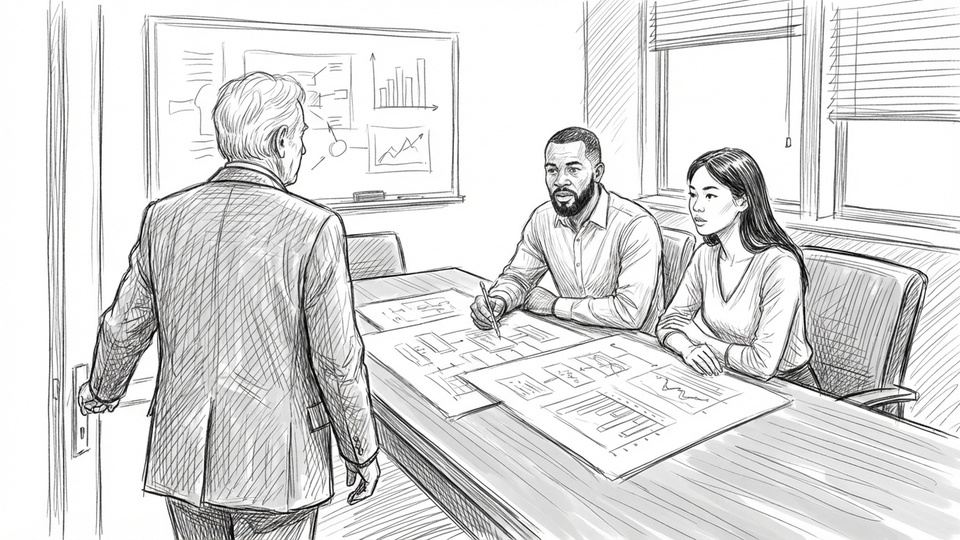
Internally, the storyboard link goes into Slack for feedback and review before anything reaches the client. Once it is client-ready, Lemonly prefers to present the first draft of both the sketch and the design storyboard live on a call, walking through each frame in detail. Where a project needs a more streamlined process, or the relationship is well established, the designer or animator records a video walkthrough instead.
“Walking through a live storyboard is valuable because it allows us to see the initial reaction, answer initial questions, and have face-to-face interaction with the client.”
After the call, the Boords link goes out for asynchronous review, and the client comments frame by frame.
“Boords makes it easy for clients to review and comment on each frame. No account setup, no feature bloat, just a simple review experience that's easy to understand, whether it's a straightforward review with few comments or a more thorough discussion about something that's not quite working.”
When the feedback is in, the team reviews every comment, makes the adjustments, and either shares a fresh draft or moves on to the next phase. Versioning keeps the rounds in order, and a folder for each client keeps everything findable. The PDF export covers the edge cases: referencing the sketch board alongside the script during design, or handing the board to a partner agency or client with its own proofing requirements.
Ten years, and a lot more video
Lemonly started using Boords around 2016. Ten years and 800+ storyboards later, the biggest change is not how the studio uses it.
“Honestly, the biggest change is probably in how much we use it. Video has grown dramatically as a service for us in the past 10 years, and it's now one of the things we do the most. Having a trusted tool we love using has made that growth easier.”
The next stretch is more live-action, mixed-media, and 3D work, where planning a shot list carries more logistics than designing an illustrated frame, and the storyboard matters more, not less.
“I can't picture our video process without Boords. It makes sharing and collaborating on storyboards feel simple and polished for both first-time clients and experienced team members.”
That is what the sign-off layer looks like after a decade in one studio. Not a tool the team thinks about, but the step every video goes through before anyone animates a frame.
How Lemonly takes a video from script to signed-off board
Script first
Every video starts with the script, clear, concise, and compelling, and it typically goes through up to two rounds of client review before anything is drawn.
Brainstorm the beats
Copywriter, designer, animator, and creative director map out the visual metaphors, motifs, storylines, and key beats of the video together.
Sketch, then design
Frames are planned in low fidelity first, so direction and composition are agreed before every scene is fully illustrated in colour and detail.
Present it live
The first draft of each storyboard stage is walked through frame by frame on a call, with the moodboard on the same Boords link.
Review on the link
Clients comment on each frame with no account setup. The team reviews every comment, makes the changes, and shares a fresh draft.
Version every round
Up to four client-facing versions per video stay organised with versioning and a folder for each client.
The board behind Lemonly's own explainer
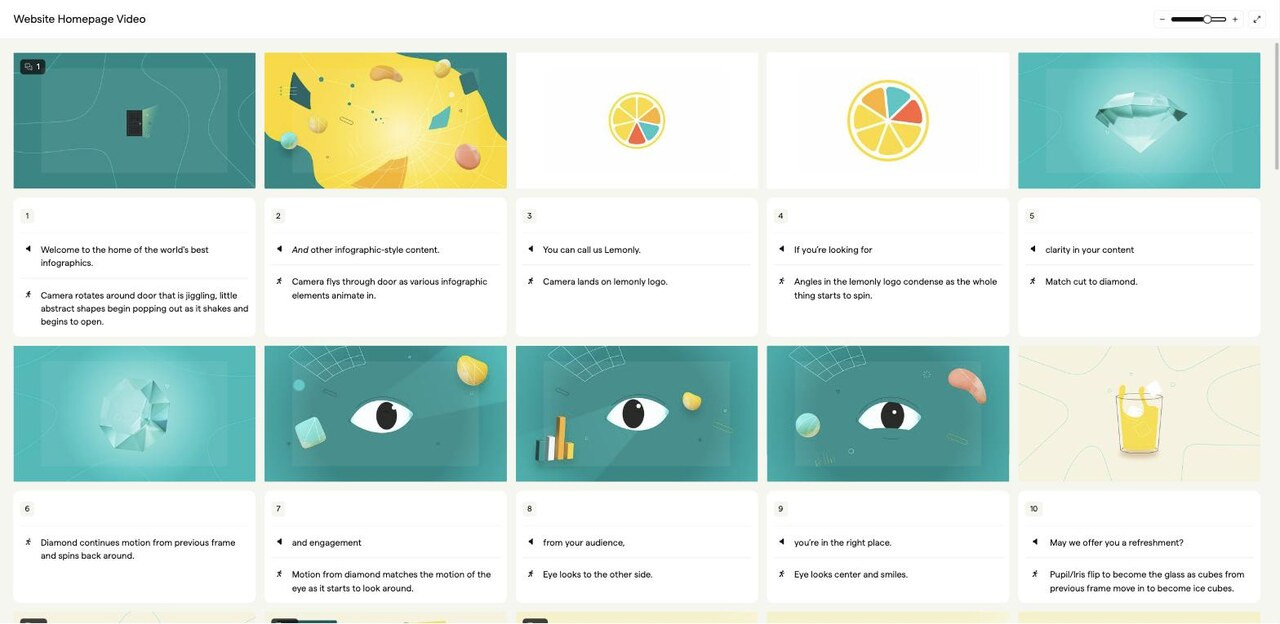
Website Homepage Video
The fully designed storyboard for Lemonly's agency explainer. Every frame carries the script line and the animation direction, so the client reads the video before it moves.
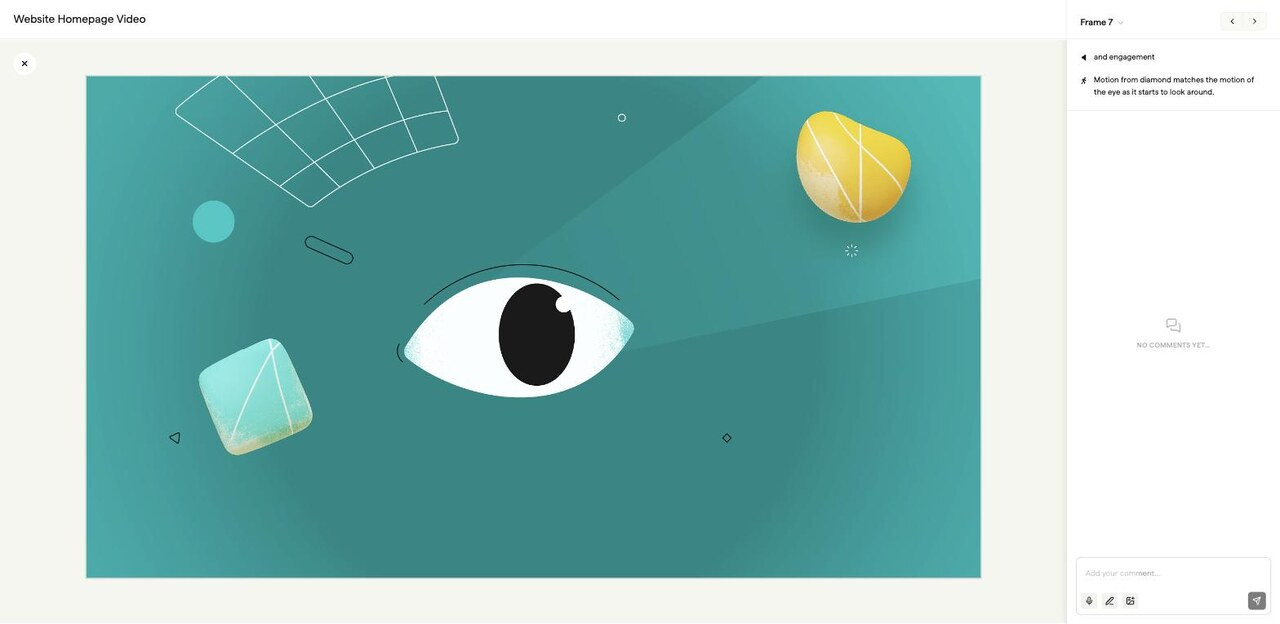
Frame view, script and direction side by side
The same board opened on a single frame. The artwork, the voiceover line, and the animation description sit together, with the comment thread beside them.
Get every video signed off before production starts
Create scripts, storyboards, and animatics with your team.
Collect client feedback, keep every version on record, and go into production knowing exactly what was approved.